Forestry Mulching
What is Forestry Mulching and the benefits.
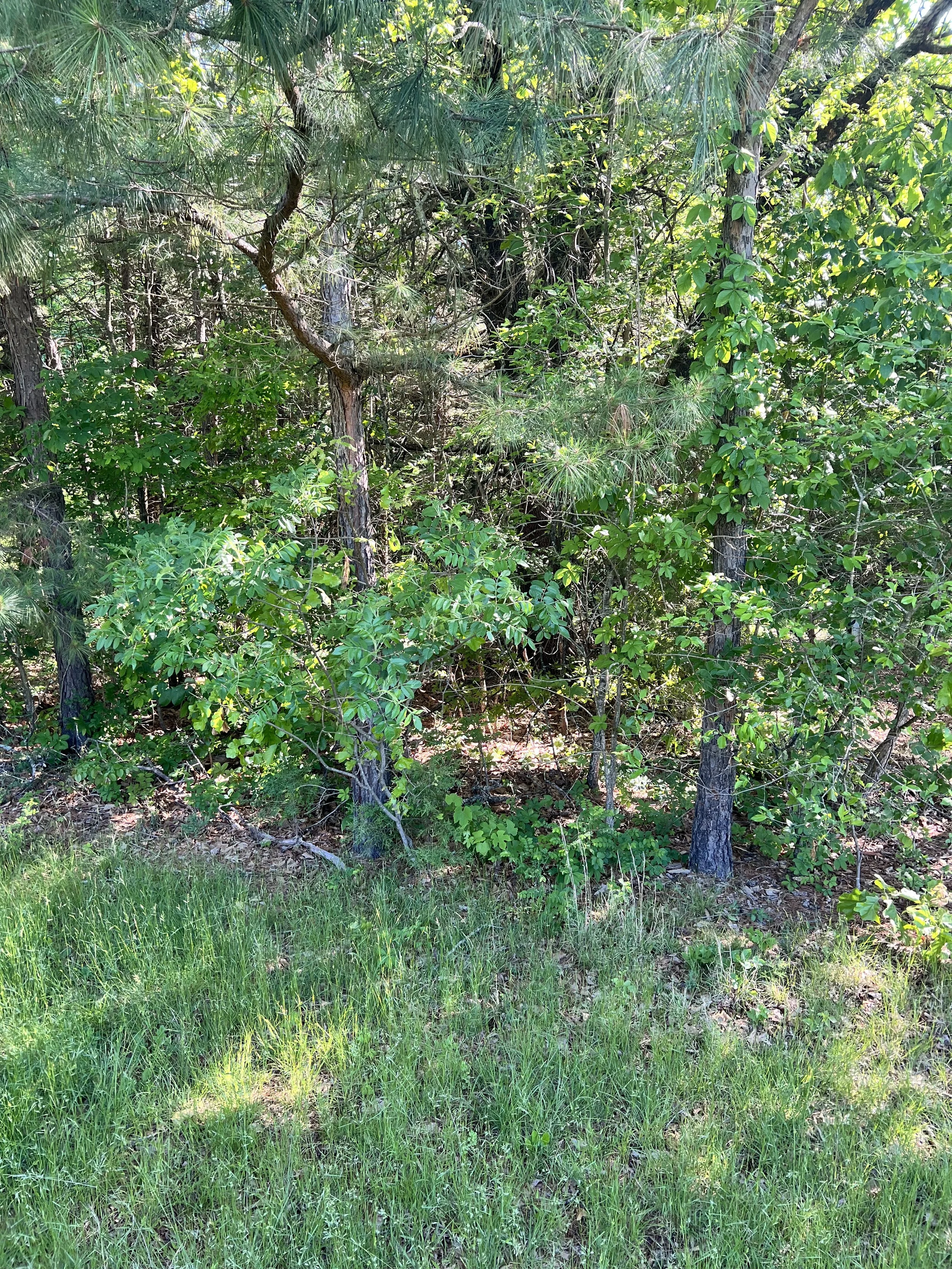
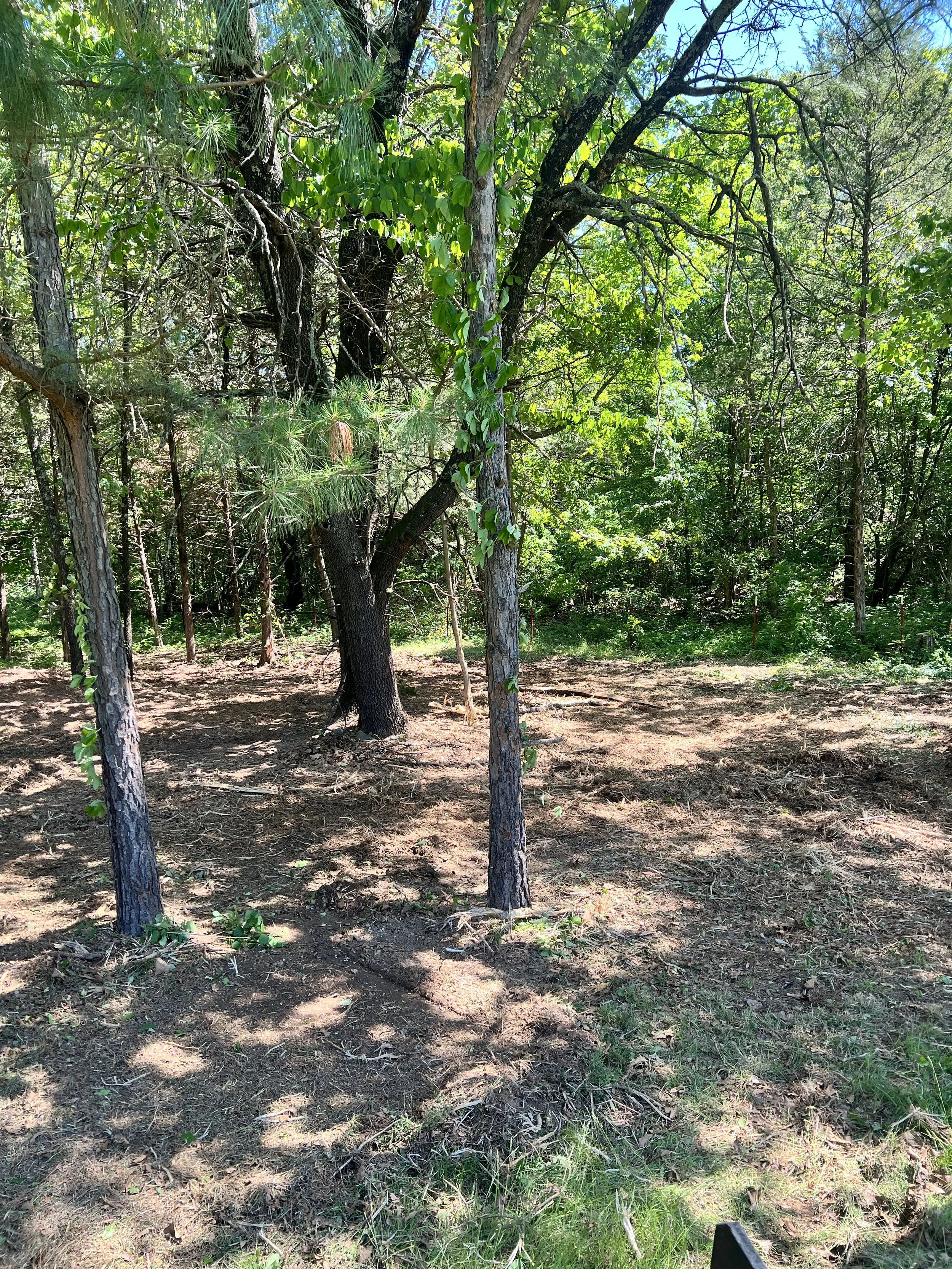
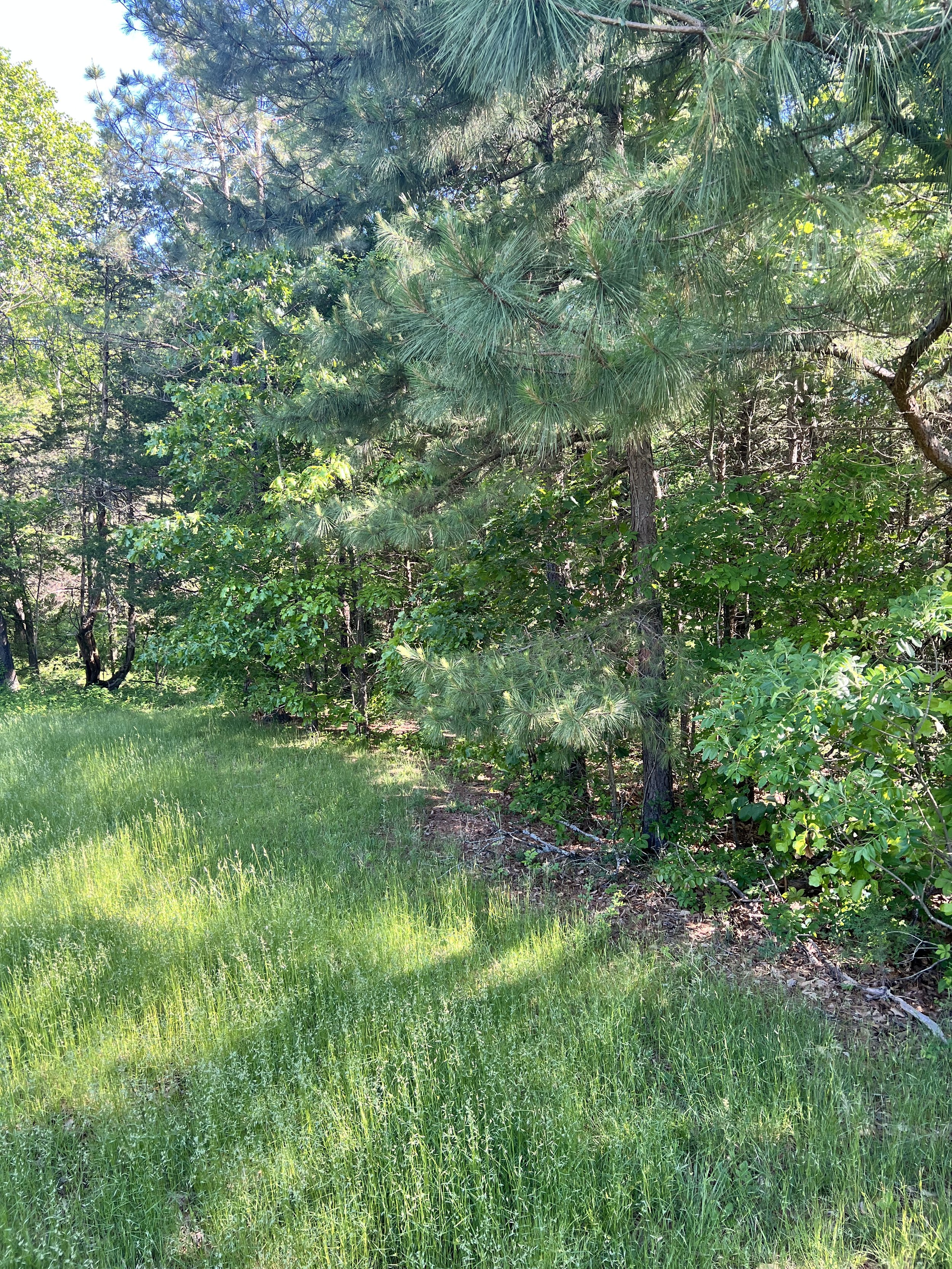
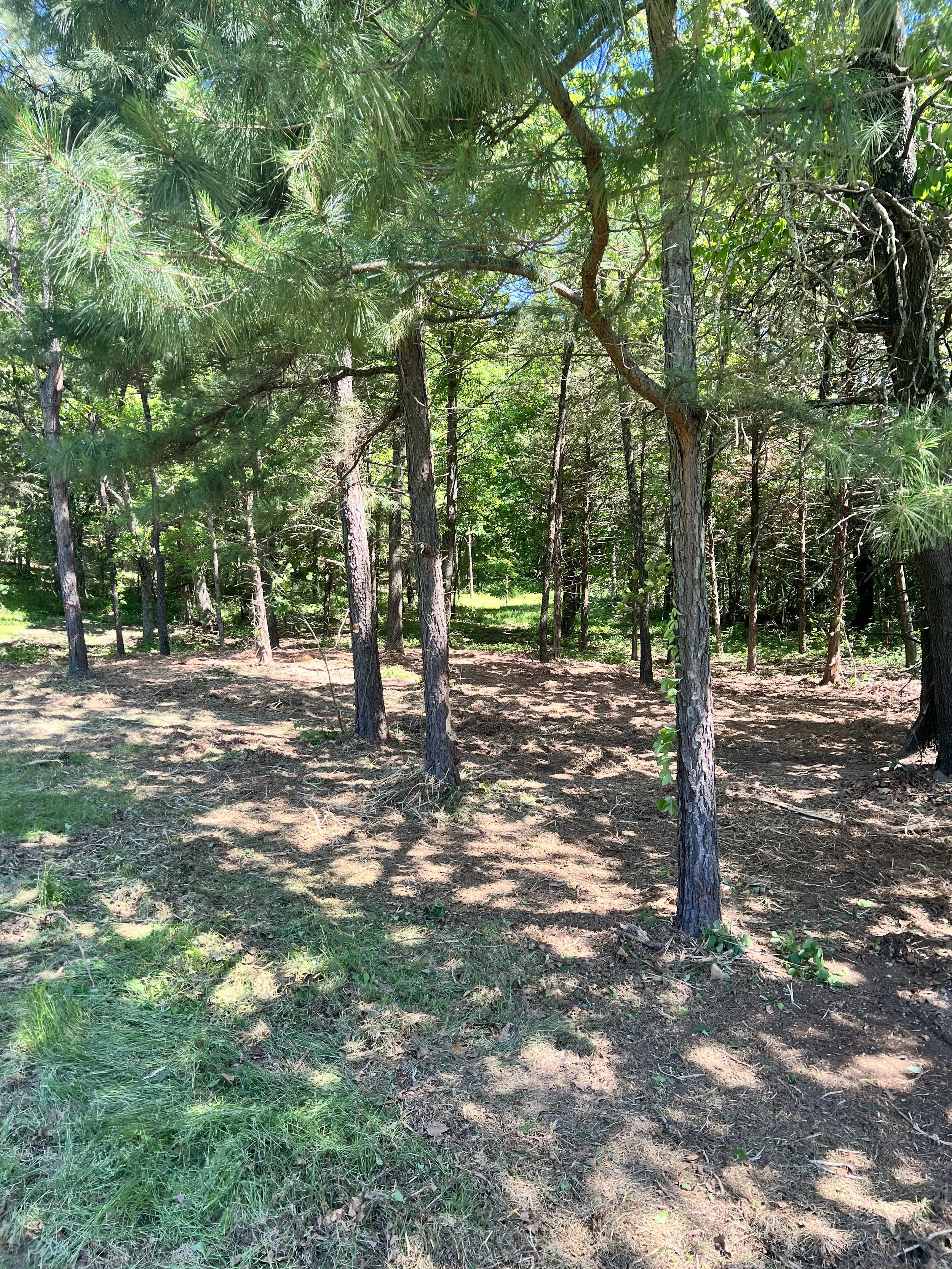
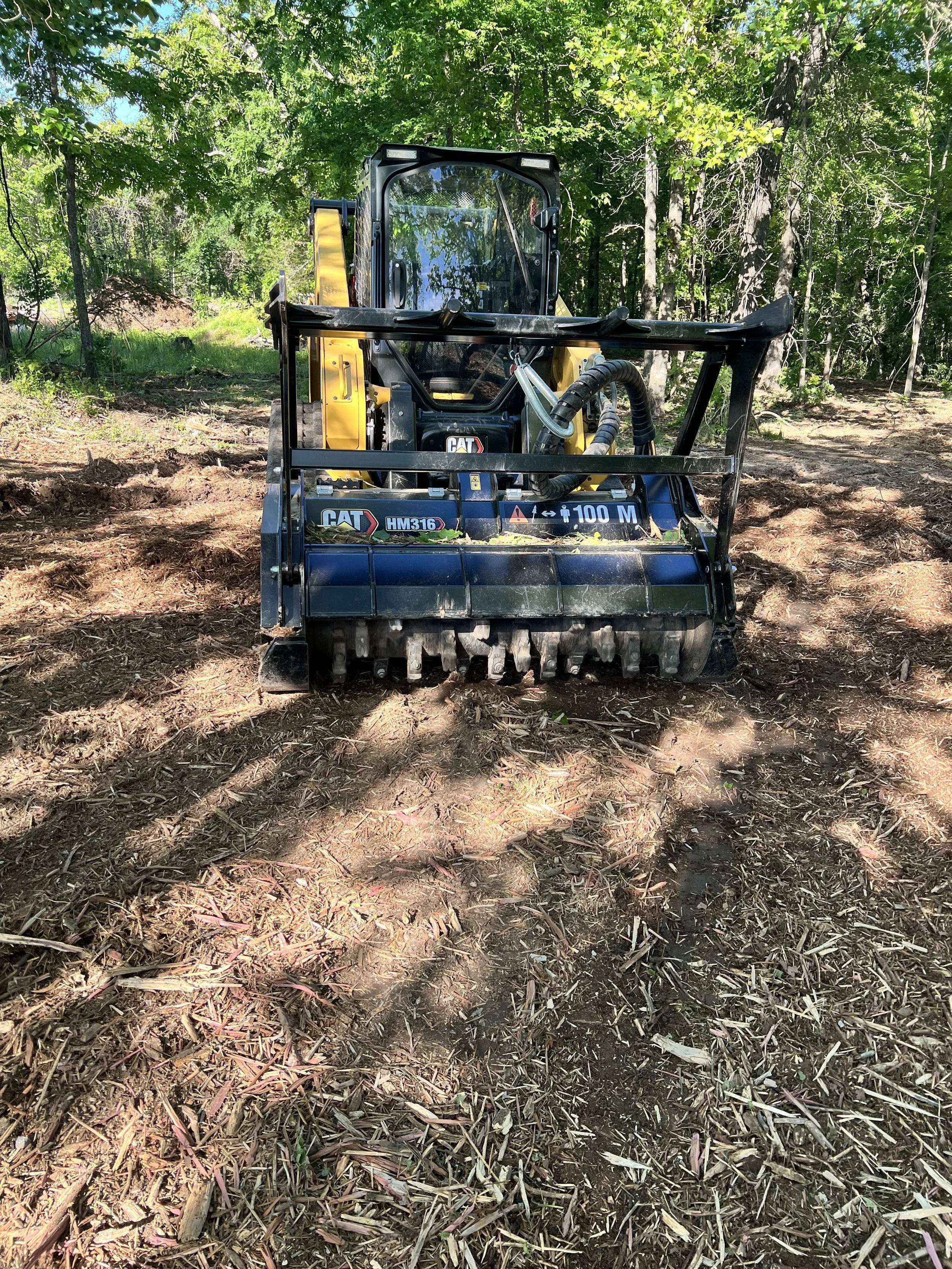
Forestry mulching is a land management technique that uses specialized machinery, to cut, grind, and shred trees, brush, and undergrowth into fine mulch in a single pass. The mulch is left on-site, creating a protective layer over the soil.
This method is more efficient and environmentally friendly than traditional land clearing (like bulldozing or burning), which often involves heavy soil disturbance, debris hauling, or burning.
General Benefits of Forestry Mulching
• Soil Health and Fertility: The mulch decomposes over time, releasing nutrients and organic matter into the soil. This boosts microbial activity, improves soil structure, and enhances fertility for future plant growth.
• Erosion Control and Moisture Retention: The mulch layer acts as a protective blanket, reducing wind and water erosion, slowing runoff, and retaining soil moisture by limiting evaporation. This is especially valuable on slopes or in areas prone to heavy rain.
• Weed and Invasive Species Suppression: Mulch naturally inhibits weed growth while allowing desirable native or seeded plants to grow.
• Cost and Time Efficiency: It often is more cost effective to mulch verses traditional land clearing techniques. Bull dozing often times removes top soil which can take decades to rebuild. Mulching undesirable vegetation will result in a layer of carbon over the existing top soil. This carbon level will break down over time drawing in decomposing organisms that will fertilize the soil. This will reduce the cost of fertilizing this carbon level also retains moisture in the soil. Every 1% of organic matter to the top soil can hold an extra 20,000 gallons of water over an acre.
• Wildfire Risk Reduction: By reducing fuel loads (dense brush and dead vegetation), it creates defensible spaces and lowers fire hazards.
• Low Environmental Impact: Minimal soil compaction or disturbance compared to heavy machinery, plus it recycles organic material on-site.
Benefits of Clearing Dying and Diseased Trees
Forestry mulching excels at selective or targeted removal of unhealthy vegetation:
• Disease and Pest Management: Removing dying, diseased, or infested trees (e.g., those affected by beetles, fungi, or blight) prevents the spread of pathogens to healthy trees. Mulching grinds the material finely, which can help break down some organic matter that might otherwise harbor pests.
• Forest Health Improvement: Clearing unhealthy trees reduces competition for resources (water, nutrients, sunlight) among remaining healthy ones, promoting stronger growth and resilience in the stand.
• Safety and Liability Reduction: Diseased or dying trees pose falling hazards. Mulching safely removes them while leaving mulch that stabilizes the area.
• Habitat Enhancement: Selective clearing can improve wildlife habitat by opening space for beneficial forage and bedding areas while removing invasive or low-value species.
This approach supports long-term forest sustainability rather than wholesale clearing.
Increasing Production (Agricultural or Forestry Yields)
Forestry mulching prepares land for higher productivity:
• Improved Growing Conditions: Nutrient-rich mulch and better soil health lead to healthier regrowth, forage, or crops. It can boost agricultural yields by enhancing soil fertility and moisture availability.
• Land Conversion Efficiency: Overgrown or brushy areas become productive faster. For example, cleared land can be overseeded with improved forages or prepared for planting with less follow-up work.
• Resource Availability: Reduced competition from invasive brush/trees allows more light, water, and nutrients for desired species, increasing biomass production (e.g., pasture grasses or timber growth).
• Diversified Outputs: In managed systems, it supports multiple revenue streams, such as timber, forage, or livestock, while improving overall system productivity.
Studies and practices show strategic mulching leads to better farm efficiency and higher outputs over time.
Land Usability
Mulching significantly enhances how land can be used:
• Accessibility: It creates open, level areas suitable for agriculture, grazing, recreation (trails, hunting), construction, or development without major grading.
• Versatility: The resulting landscape is immediately usable or easily prepared for planting, as the mulch provides a ready seedbed and weed barrier.
• Minimal Disruption: Low ground pressure equipment preserves topsoil and root systems of desirable trees, making it ideal for sensitive or sloped terrain.
• Long-Term Manageability: The mulch layer reduces future maintenance needs (fewer weeds, better soil), making the land easier to sustain for various purposes like pasture restoration or wildlife management.
Benefits of Creating a Silvopasture
Silvopasture is an intentional agroforestry system integrating trees, forage (grasses/legumes), and livestock on the same land. Forestry mulching is an excellent tool for establishing or maintaining it by selectively clearing brush while leaving beneficial trees.
Key benefits include:
• Economic Advantages: Diversified income from livestock (meat, dairy), forage, timber, nuts, or other tree products. It provides cash flow while trees mature and increases overall land productivity.
• Animal Welfare and Performance: Trees provide shade (cooling animals by 10–15°F or more), windbreaks, and shelter, reducing heat stress and improving weight gains, reproduction, and health. Livestock often show better performance and lower veterinary needs.
• Soil and Environmental Health: Enhanced nutrient cycling, improved water infiltration and quality, reduced erosion, and higher carbon sequestration. Tree roots stabilize soil, and grazing animals naturally fertilize it.
• Biodiversity and Resilience: Supports greater wildlife diversity (birds, deer, pollinators) and creates a more resilient system against climate extremes (droughts, heavy rains). It can reduce greenhouse gas emissions compared to open pastures.
• Aesthetics and Property Value: Creates attractive, park-like landscapes that often increase land value while looking more “natural” than monoculture pastures or dense forests.
Silvopasture is a regenerative practice that aligns well with sustainable land goals, offering ecological, production, and economic wins.